


Total price:
Rehabilitation at Terme Šmarješke Toplice
Endurance training in heart failure
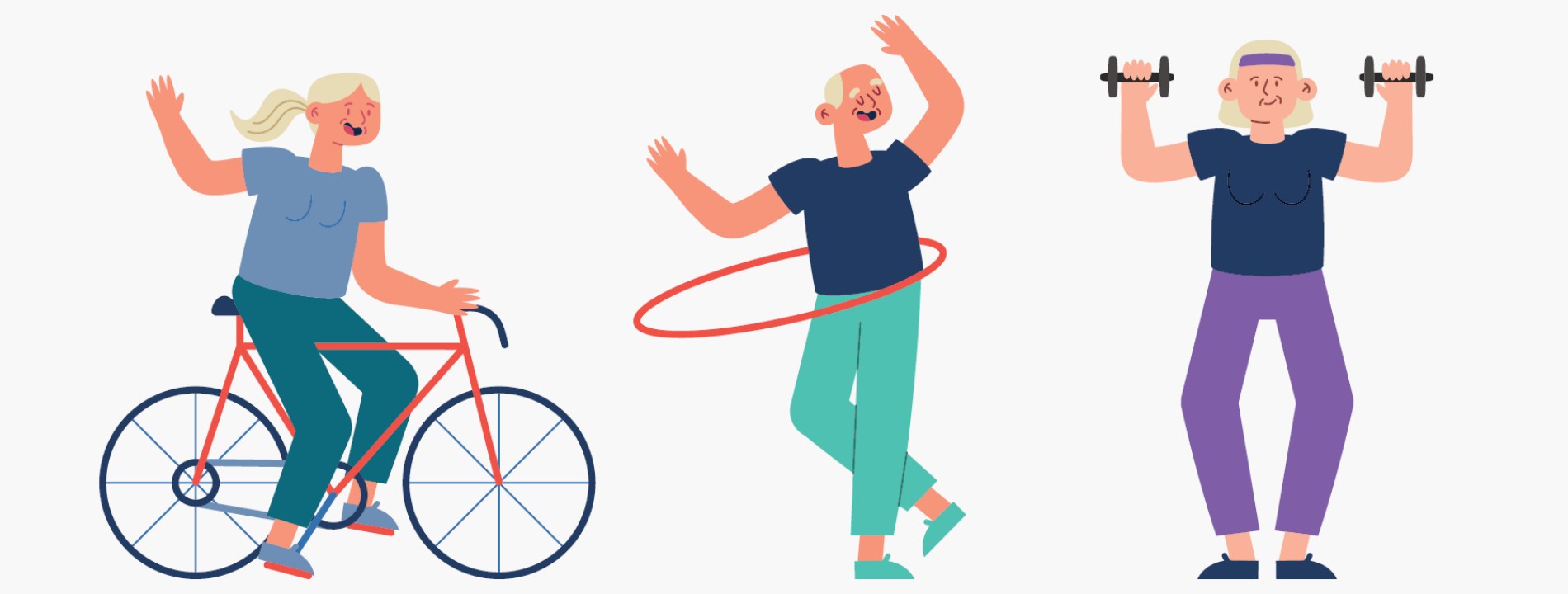
Cardiovascular diseases are one of the most common causes of long-term health problems and death worldwide. Although medicine and early disease detection systems are rapidly advancing and awareness is increasing, the number of people with heart problems is still growing. One of the main reasons for this is the aging population, as the risk of cardiovascular diseases increases with age.
Physiotherapists Špela Šturm and Roman Šiler, Terme Šmarješke Toplice
In addition to medication and other medical procedures, regular physical activity also plays a very important role in the treatment of heart diseases, but it must be adapted to the individual and their health condition. Numerous studies show that properly guided physical exercise improves heart function, reduces problems such as fatigue and shortness of breath, increases physical capacity, and reduces the likelihood of deterioration and hospitalization. Regular physical activity also contributes to a longer and higher-quality life.
Let us take a look at what heart failure is, how it affects the body, and why endurance training is one of the key parts of rehabilitation in this disease.
What is heart failure
Heart failure is a condition in which the heart can no longer pump blood efficiently enough throughout the body. This means that organs and muscles do not receive enough oxygen and nutrients for normal functioning, resulting in fatigue and reduced physical capacity.
The most common causes of heart failure are:
→ damage to the heart muscle and
→ long-term high blood pressure, which overloads the heart.
Depending on the course of the disease, we distinguish:
→ acute (sudden) and chronic (long-term) heart failure,
→ left-sided or right-sided failure (in advanced cases both sides are affected),
→ disorders of blood ejection from the heart (the heart does not eject enough blood) and
→ disorders of heart filling (the heart does not fill sufficiently with blood).
How heart failure manifests
The first signs of heart failure usually appear during physical activity. People notice that they become short of breath and tired more quickly than before. At first, this occurs only during greater exertion, and later even during walking on flat ground and even at rest.
Primarily, only the heart is affected, but over time the disease also affects other organs, such as the lungs, kidneys, digestive system, and blood vessels. Heart failure is therefore not just a heart disease, but a condition that affects the entire body.
Endurance training to strengthen the heart
Endurance training is any physical activity in which the body obtains energy with the help of oxygen and which lasts for a longer period. Such activities include walking, cycling, and exercising on a stationary bike and treadmill.
The main forms of endurance training suitable for people with heart failure are:
→ continuous training, performed steadily, usually for 45 to 60 minutes, with moderate to somewhat higher intensity, and
→ interval training, in which shorter efforts (10–30 seconds) alternate with rest periods (60–80 seconds). Such training usually lasts 15 to 30 minutes.
In both cases, it is crucial that the training is adapted to the individual, their abilities, and their health condition, and that it is professionally supervised.
Aerobic capacity and VO₂ max
To assess physical capacity, the term VO₂ max is often used, which represents the maximum amount of oxygen the body consumes in one minute of intense exercise. VO₂ max is considered a key criterion for predicting the risk of developing cardiovascular diseases and death. A lower VO₂ max means poorer physical capacity and a higher risk of cardiovascular disease.
Good news: With regular endurance training, VO₂ max can increase, which means that such training leads to better physical fitness and a healthier heart
How the heart responds to exercise
During physical activity, the heart in people with heart failure pumps significantly less blood than in healthy individuals, as it ejects less blood with each beat, so such a person cannot sufficiently increase heart rate. In addition, in heart failure, blood vessels adapt less effectively, so the muscles receive less blood and oxygen during exercise, and fatigue occurs more quickly.
Regular endurance training gradually improves heart function – the heart becomes more efficient, pumps more blood again, and adapts more easily to physical exertion.
Such exercise is not merely a supplement to pharmacological treatment of this disease, but rather a key non-pharmacological measure for controlling its course and slowing its progression. Individually adapted endurance training is therefore an essential part of the comprehensive rehabilitation of patients with heart failure.

With regular endurance training, breathing gradually becomes more efficient, deeper, and less strenuous, enabling the patient to perform daily activities more easily.
Endurance training plays an important role in the management of patients with heart failure, as it has been proven to improve their functional capacity and increase physical performance and quality of life. Regular, professionally supervised physical activity has a positive effect on the cardiovascular system, metabolism, and psychological well-being, while also reducing disease symptoms and the frequency of hospitalizations.
Breathing during exertion
Heart failure is characterized by rapid, shallow breathing, especially during exertion. During physical activity, such patients must breathe more intensely than healthy individuals, yet they still cannot achieve the same level of performance.
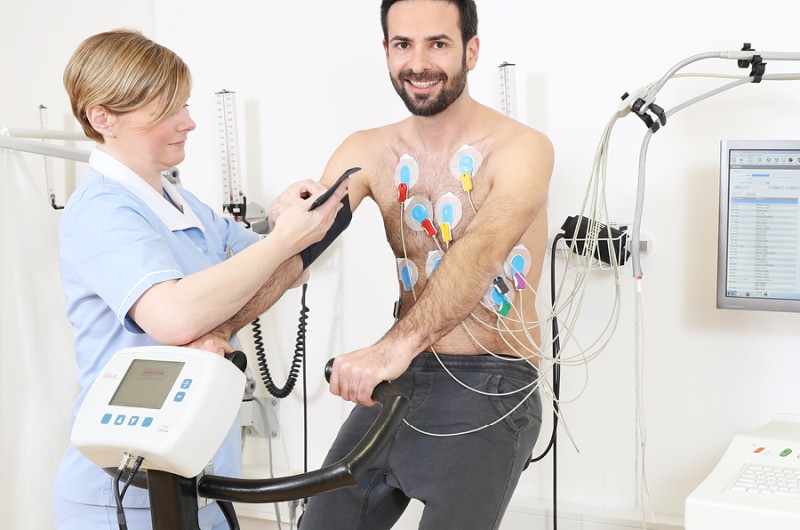
Spa rehabilitation at Terme Šmarješke Toplice
For patients with heart failure, spa treatment at Terme Šmarješke Toplice enables professionally supervised physical activity, such as individually adapted endurance training, Nordic walking with a guide, cycling on a stationary bike, and guided exercise in the pool, which effectively strengthen the function of the heart and the entire body.
The intensity of the exercise is precisely adjusted to the patient’s abilities, health condition, and progress, which reduces the risk of complications and increases the effectiveness of rehabilitation.
An important part of the program also includes education about the disease, healthy protective nutrition, and counseling on a balanced diet for the heart and cardiovascular system, as well as physiotherapy and relaxation services, which together with physical activity contribute to recovery, namely gaining strength, fitness, heart capacity, and vascular elasticity, reducing fear, and overall improving quality of life.