


Total price:
Nutrition for the Brain
How to strengthen cognitive functions and maintain a healthy mind for as long as possible
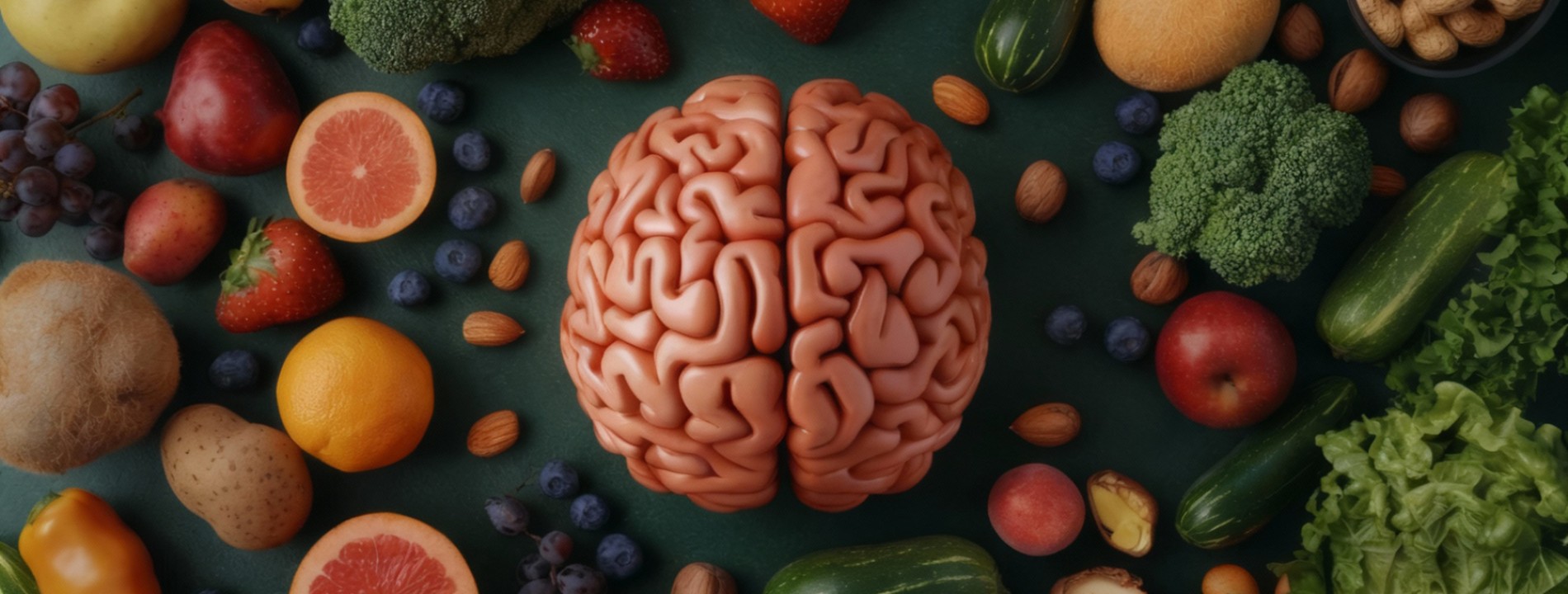
How to maintain a sharp mind and good physical fitness for as long as possible is a real challenge today, as average life expectancy continues to increase. While genetics play an important role, lifestyle choices are equally crucial. Nutrition is also very important for maintaining healthy brain function.

Janja Strašek, nutrition consultant at Terme Krka
Experts increasingly emphasize that brain function benefits from a diet containing omega-3 fatty acids, folic acid, vitamins B6 and B12, zinc, calcium, selenium, and antioxidants. Although it is not yet fully understood how these substances work, their positive effects on cognitive functions are well known, including memory and learning ability. They also have a beneficial impact on depression, dementia, attention disorders, and other mental health issues.
Vitamin B6
Vitamin B6 supports the normal functioning of the nervous system. It helps in the production of neurotransmitters that enable communication between the brain and nerve cells and ensures the smooth functioning of metabolic processes. It regulates blood glucose levels, thereby contributing to improved mood. It is essential for the formation of antibodies and red blood cells and significantly helps to reduce nervous tension.
A deficiency of vitamin B6 can also lead to poor concentration and memory loss.
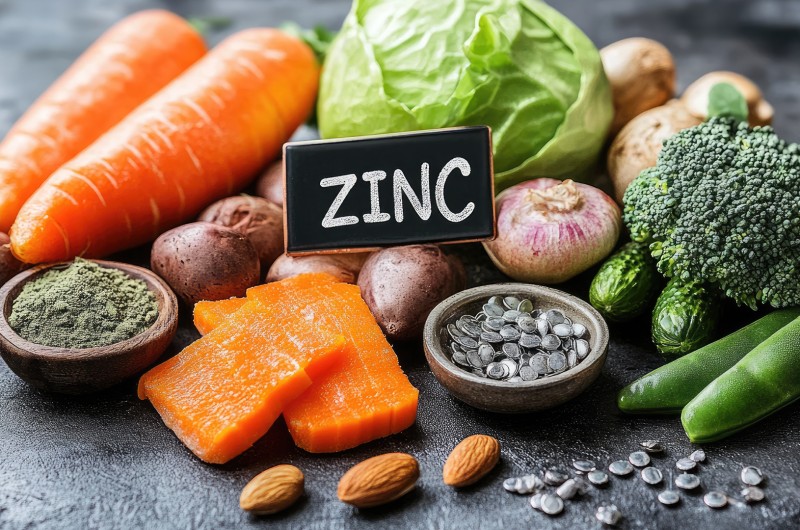
Sources of vitamin B6 include chicken and pork, fish, cabbage-family vegetables, green beans, lentils, lamb’s lettuce, potatoes, bananas, wholegrain products, wheat germ, and soy.
Folic Acid (Vitamin B9)
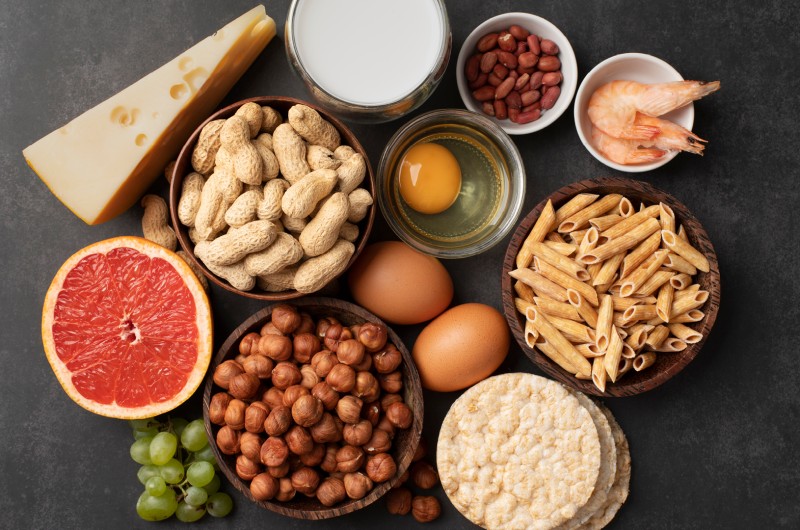
This vitamin provides energy for metabolism. A deficiency of folates may also cause depression and confusion and increase the risk of cardiovascular disease. Some authors report that people who received folic acid daily showed improvements in short-term memory and mental abilities.
Good sources of folic acid include certain vegetables (tomatoes, cabbage, spinach, cucumbers) and fruits (oranges, grapes), as well as wholegrain flour, potatoes, meat, liver, milk, cheese, eggs, wheat germ, and soy.
Zinc
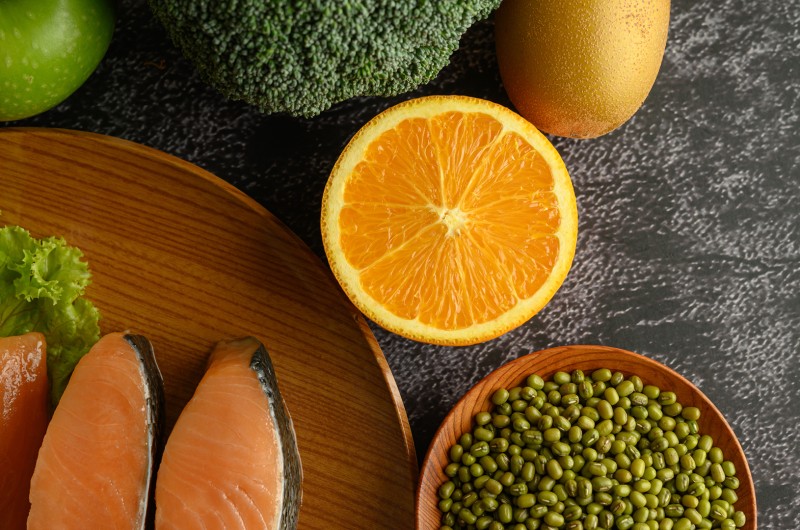
The trace element zinc affects mental balance. It plays a role in the functioning of the senses (especially smell and taste) and the brain, as well as in the metabolism of certain vitamins that influence brain function (vitamin B6, folic acid, vitamin A). Even a mild zinc deficiency can impair cognitive abilities.
Sources of zinc include beef, pork, poultry, eggs, milk, and cheese.
The MIND Diet – for Brain Health
The MIND diet combines the Mediterranean diet and the DASH diet*, specifically adapted to support brain health. The Mediterranean diet is rich in olive oil, fruit, nuts, vegetables, and fish and is considered one of the healthiest dietary patterns for preventing cognitive decline. The DASH diet further recommends daily intake of leafy green vegetables, nuts, beans, blueberries, and fish, while limiting sweets and fried foods.
Foods Recommended by the MIND Diet
- Daily meals should include two to three servings of whole grains (each time half a cup of rice, cereal, quinoa, or a slice of wholegrain bread), one cup of leafy or other vegetables, and one glass of red wine per day.
- Olive oil should be the main source of fat.
- Nuts should replace snacks such as chips; one-third of a cup per day is sufficient.
- Consume half a cup of legumes every other day.
- Eat fish twice a week and white meat three times a week.
- Consume berries four to five times a week: raspberries, strawberries, blueberries, cranberries, etc.
Foods to avoid include red meat and sweets, as well as margarine, full-fat cheeses, fried foods, and fast food. These foods directly promote metabolic syndrome, clog arteries, raise cholesterol levels, lead to type 2 diabetes, increase blood pressure, and raise the risk of stroke. If unavoidable, consume them no more than once a month.
Daily Menu According to MIND Diet Principles (1700 kcal, 102 g protein)
| Meal | Dish/Food | Quantity (approx.) | MIND Diet Highlights |
| Breakfast |
Oatmeal with walnuts and seasonal fruit
|
60 g oats, 150 ml kefir, 1 tsp hemp seeds, 30 g walnuts, 1/2 apple and 1/2 pear
|
Whole grains, nuts, seeds, fruit
|
| Lunch |
Chicken breast with lentil salad and roasted pumpkin purée
|
100 g roasted chicken breast, 100 g cooked lentils, 150 g roasted pumpkin purée (butternut), 100 g mixed leafy salad (e.g. radicchio, lamb’s lettuce), 1.5 tbsp olive oil, vinegar
|
White meat, legumes, colorful vegetables, olive oil
|
| Afternoon snack |
Plain skyr with persimmon and pumpkin seeds
|
150 g plain skyr, 1 persimmon, 1 tsp pumpkin seeds
|
Dairy products, fruit, seeds
|
| Dinner |
Tuna with quinoa and steamed mixed vegetables
|
100 g tuna in own juice, 90 g cooked quinoa, 200 g steamed mixed vegetables (carrot, broccoli, cauliflower), 1 tbsp olive oil, spices
|
Fish, whole grains, colorful vegetables
|
If you participate in the SlimFit, VitaDetox, or ImmunoRebalance programs, our nutritionists will prepare personalized meal plans for you.
Read more
Additional Recommendations
Maintain stable blood glucose levels
The brain requires a constant supply of energy to function properly. Fluctuations in blood sugar levels (for example, from sugary and processed foods) reduce concentration and cause fatigue. Balanced meals containing fiber and healthy fats help maintain a stable cognitive rhythm. We recommend starting the day with a protein- and whole-grain-based breakfast. Eggs, cottage cheese, oatmeal with walnuts and flaxseeds provide steady energy and prevent a drop in concentration during the morning.
Aluminium, alcohol, and smoking
Scientists have been studying the impact of aluminium on various diseases, including dementia, for several years. Although research findings are not yet conclusive, aluminium is believed to play a role in the development of this condition. Therefore, it is wise to avoid foods and cooking methods that result in high aluminium intake, such as using aluminium cookware for acidic foods.
It is also advisable to avoid harmful habits such as smoking and excessive alcohol consumption. While a glass of red wine per day may be beneficial due to its resveratrol content, excessive alcohol intake has been proven to damage brain cells and inhibit signal transmission.
Trans fats and saturated fatty acids
Trans fats (found in margarine, fast food, processed foods, and snacks) impair memory function and accelerate brain aging. High intake of saturated fatty acids also negatively affects neuroplasticity.
Excessive sugar consumption
High sugar intake causes energy fluctuations and increases the risk of insulin resistance and dementia. Sugar-sweetened beverages and hidden sugars in cereals, sauces, and dairy products are particularly harmful.
Nature protects us from many health problems, so it is advisable to consume minimally processed, seasonal foods of various colors that are produced as close to home as possible.
-
Stay hydrated
Even mild dehydration can affect memory, attention, and mood. Regular intake of water, herbal teas, or soups is recommended, especially for older adults who often do not feel thirsty.
-
Physical activity and nutrition go hand in hand
Regular physical activity stimulates blood flow to the brain, improves mood, and enhances the effects of a healthy diet. At least 30 minutes of daily walking and balance and strength exercises should therefore become part of everyday life.
*DASH stands for Dietary Approaches to Stop Hypertension and refers to dietary strategies for preventing or lowering high blood pressure.

24. 10.–28. 12. 2026
Exercise and nutrition programs for healthy weight loss.
- 7 x full board
- Individual meal plans
- Free access to pools and saunas
- Professionally guided weight loss program with excellent results
Vital. Healthy. Proud of yourself.
A professionally guided programme from 2,26772€
(7 nights, per person in a double room – single use)
24. 10.–28. 12. 2026
An all-in-one detoxification programme that includes a diet, exercise and treatments.
- 7 x overnight stays with full board
- Free access to pools and saunas
- Fango wraps, detox massage
- Nordic walking in nature, Pilates, aerobics in thermal water
Vital. Healthy. Proud of yourself.
A professionally guided programme from 2,06675€
(7 nights, per person in a double room – single use)
24. 10.–29. 12. 2026
Decide to start living a healthier lifestyle.
- 7 x nights with full board
- Body harmonization and boosting self-healing processes
- Learning about your body, the local cuisine, and intensive relaxation
Vital. Healthy. Proud of yourself.
A programme to strengthen your immune system from 2,33373€
(7 nights, per person in a double room – single use)Related content
-

-

Longevity is not only about living a long life, but about living one that is high in quality, independence, and fulfilment.
How to live so that we can enjoy an active and independent old age?
-

Where history and modern excellence meet under the Michelin banner
HOTEL GRAD OTOČEC among the select with the Michelin Key