


Total price:
Rehabilitation after surgical treatment of hip osteoarthritis
Recovery that restores strength and confidence
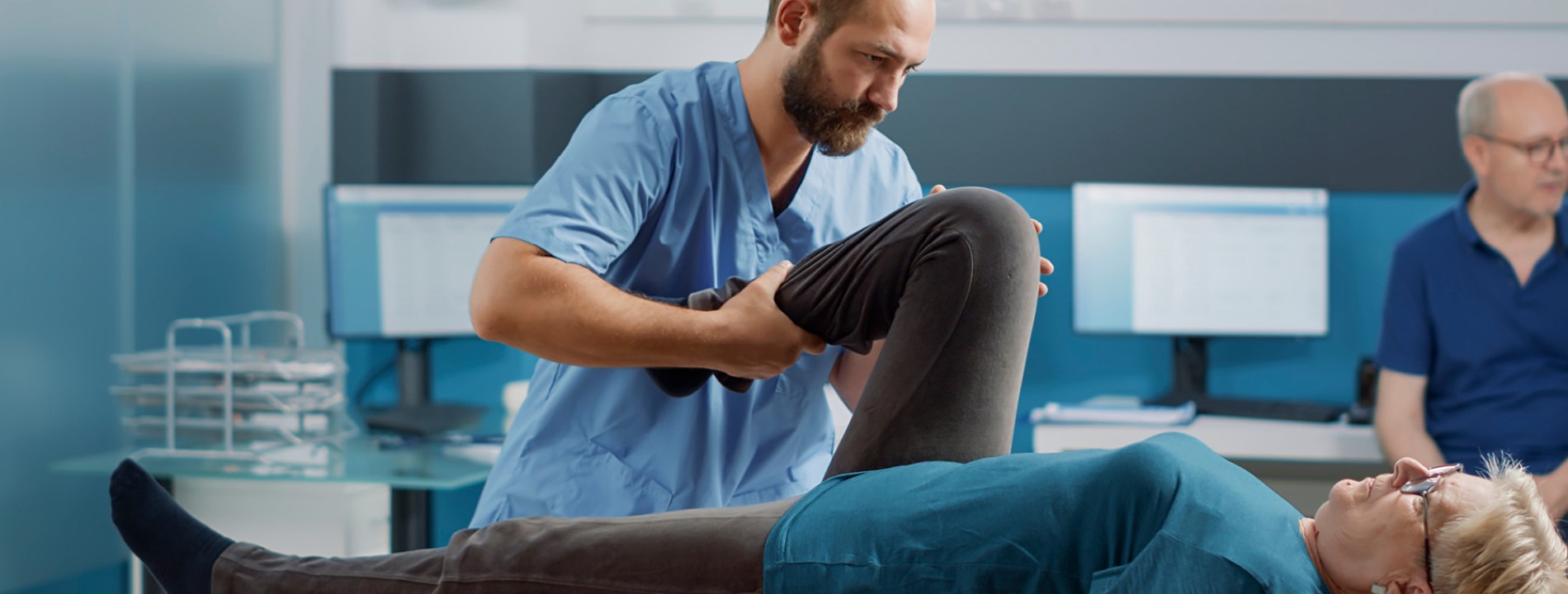
Rehabilitation after surgical treatment of hip osteoarthritis is crucial for regaining mobility, strength, and confidence. After total hip replacement surgery, patients gradually return to daily activities, sports, and work-related duties. With appropriate exercise, education, and support, pain is reduced, joint function improves, and a safe and independent lifestyle is enabled.
Barbara Adlešič Žugelj, MD, Specialist in Physical and Rehabilitation Medicine
One of the main causes of pain and disability in older adults is osteoarthritis. With population ageing, widespread overnutrition, and an increasing number of injuries, the global prevalence of osteoarthritis is expected to continue to rise. When conservative treatment options have been exhausted, total hip replacement is an effective and widely accepted surgical procedure. The goals of rehabilitation after such an intervention include not only pain reduction, but also the prevention of postoperative complications, improvement of mobility and correction of joint deformities, gait retraining, fall prevention, enhancement of quality of life, and preservation of an individual’s independence.
REHABILITATION AFTER TOTAL HIP ARTHROPLASTY (THA)
In most published protocols, rehabilitation is broadly divided into four postoperative phases, with progression depending on the achievement of goals specific to each phase. To prevent hip dislocation, patients receive detailed instructions regarding positions and movements that may be harmful. General precautions include avoiding simultaneous hip flexion and internal rotation, forced hip movements during exercises, low seating (hips should be higher than knees), and crossing the legs. Caution is advised when squatting, picking up objects from the floor, dressing the lower body, and getting in and out of a car. Patients are advised not to lie on the operated side until it is comfortable and pain-free, and sleeping with a pillow between the legs is recommended for the first 4–6 weeks.
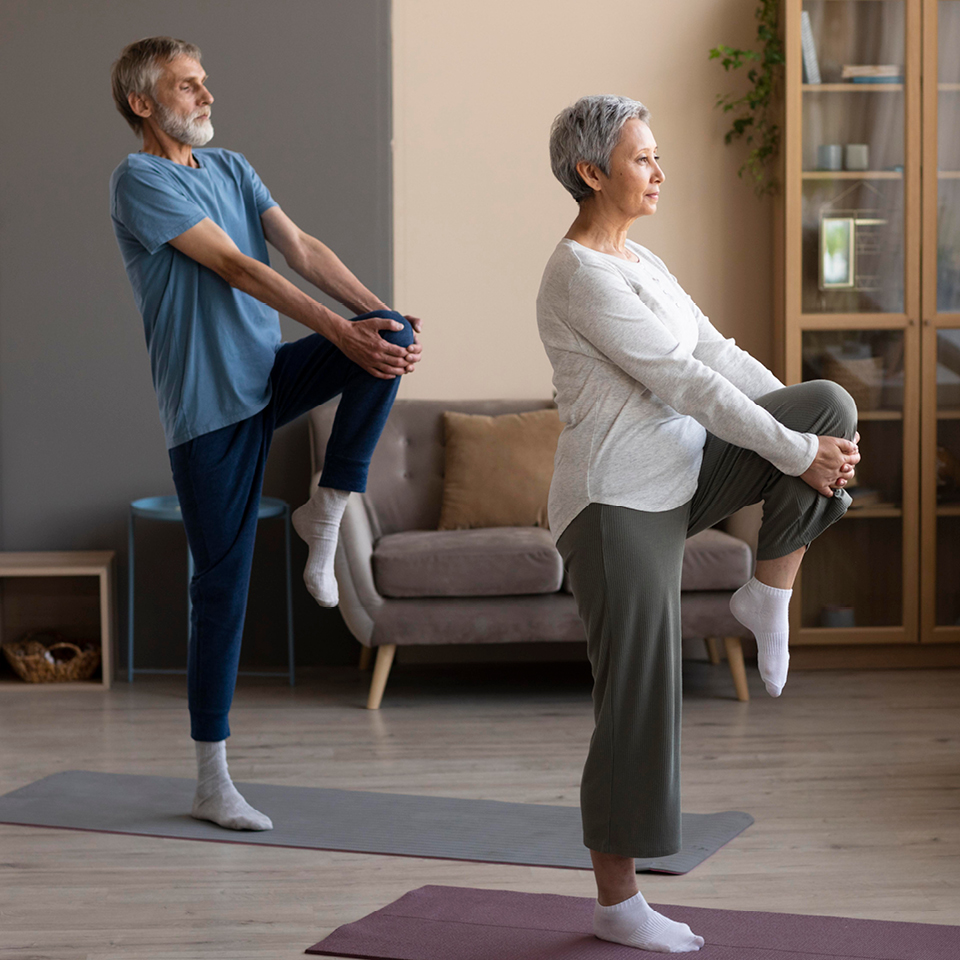
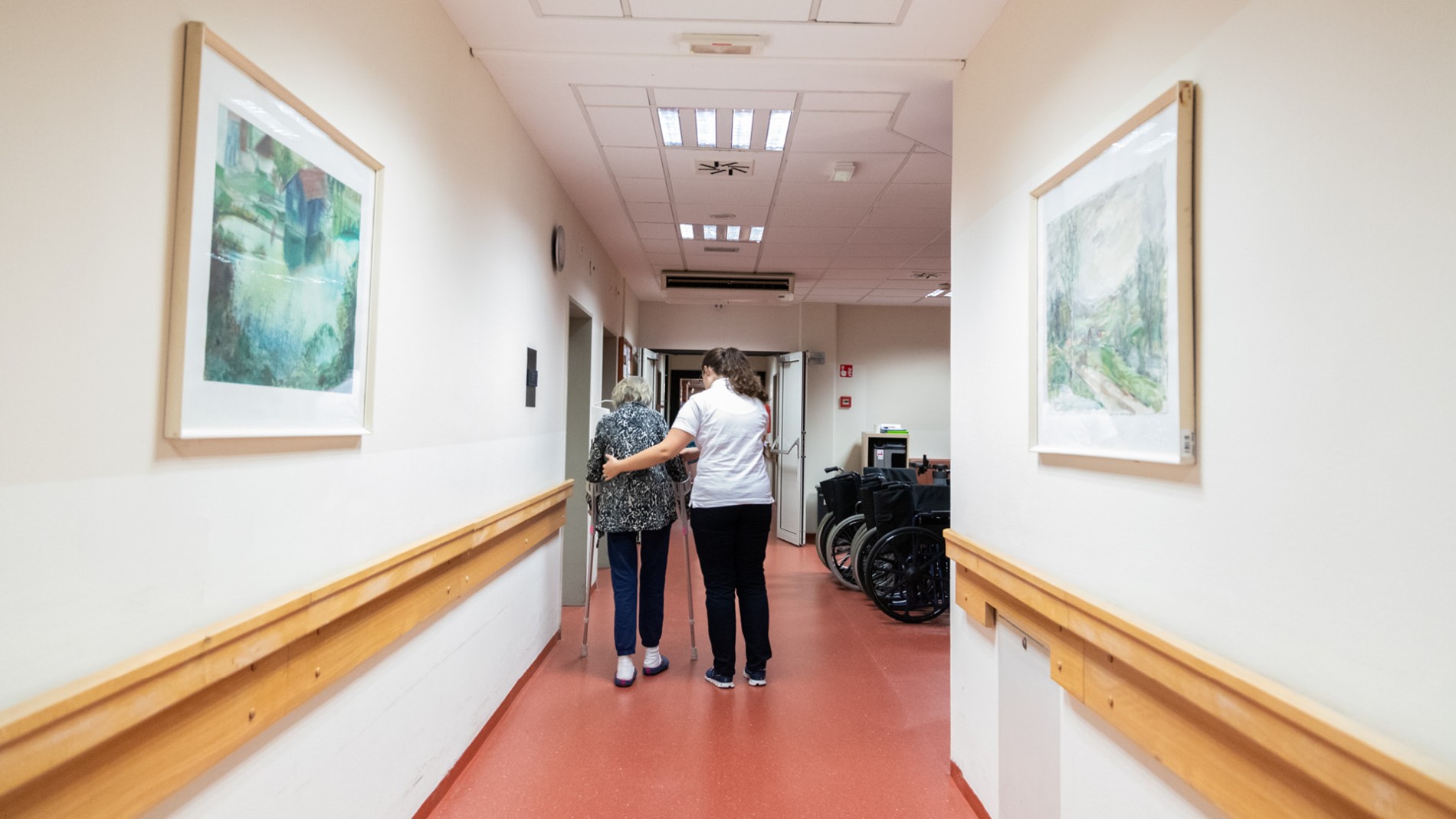
After discharge from the hospital, exercises to improve mobility and strengthen the muscles of both lower limbs should be continued at home. Walking with crutches is recommended, with a gradual increase in distance according to individual abilities. Six to eight weeks after surgery, patients attend a follow-up visit with the surgeon, who usually recommends continuing rehabilitation as part of a two-week inpatient spa treatment program. The rehabilitation program at the spa is individually tailored to the patient’s clinical condition. In addition to leg exercises, strengthening of the trunk muscles, dynamic balance training, and function-oriented exercises such as stair climbing and stepping over obstacles are recommended. Patients may participate in supervised aquatic exercise in a swimming pool or a Hubbard tank, provided that the postoperative scar has healed and there are no other contraindications to exercising in water. Walking with assistive devices (crutches, walking poles) is recommended until an appropriate gait pattern is achieved. After completing spa rehabilitation, patients generally return to physically less demanding preoperative activities.
RETURN TO AN ACTIVE LIFE
Assistive devices for daily activities
Reduced functional capacity after total hip arthroplasty may persist for up to 12 months or longer.
In the home environment, the use of assistive devices to facilitate daily activities is recommended, including wall-mounted grab bars in the shower or bathtub and next to the toilet, a stable shower chair, a raised toilet seat, non-slip mats, a long-handled sponge, a sock aid, a long shoehorn, a reaching aid for picking up objects from the floor, and firm seat cushions.
Intimate life
The most common concern among patients is fear of hip dislocation, partly due to insufficient information. As a general rule, extreme hip flexion should be avoided after total hip arthroplasty; therefore, positions such as kneeling on the partner and, for several weeks, lying on the operated side are discouraged.
Pregnancy and childbirth after total hip arthroplasty
Compared with women without a hip prosthesis, women of reproductive age after hip replacement do not have an increased risk of pregnancy-related complications. No harmful effects on the unborn child have been identified, and pregnancy does not adversely affect the prosthesis. The most common complaint reported by pregnant women with a hip prosthesis is increased pain in the operated hip. During childbirth, no significant increase in complications for the mother or child has been observed; the decision for a preventive caesarean section is made on an individual basis.
Driving
Patients are generally able to resume driving a passenger car 4–8 weeks after surgery. Factors that may affect driving safety include pain, use of opioid analgesics, older age, and previous driving skills.
Return to sports
As indications for total joint arthroplasty continue to expand, younger and more physically active individuals are increasingly undergoing surgery and consequently have higher expectations regarding return to an active lifestyle. Most patients can return to their preoperative level of participation in low- to moderate-risk sports 7–12 months after surgery, on average after 6 months.
Low-risk sports such as swimming, cycling, Nordic walking, sailing, golf, hiking, dancing, and cross-country skiing are generally recommended. Participation in moderate-risk sports (e.g. tennis, alpine skiing, mountain hiking, running) should be considered individually. High-risk sports such as marathon running, football, handball, volleyball, basketball, martial arts, high jump, water skiing, and climbing are not recommended.
Return to work
Returning to work is a key goal of successful rehabilitation. On average, patients return to work after approximately 3 months.

Involving patients in early postoperative rehabilitation improves treatment outcomes. The foundation of rehabilitation includes patient education, exercises to strengthen the muscles of the lower limbs and trunk, function-oriented training, balance exercises, and gait training with assistive devices.