


Total price:
Self-help in times of distress
Stress and mood can also be regulated through diet.
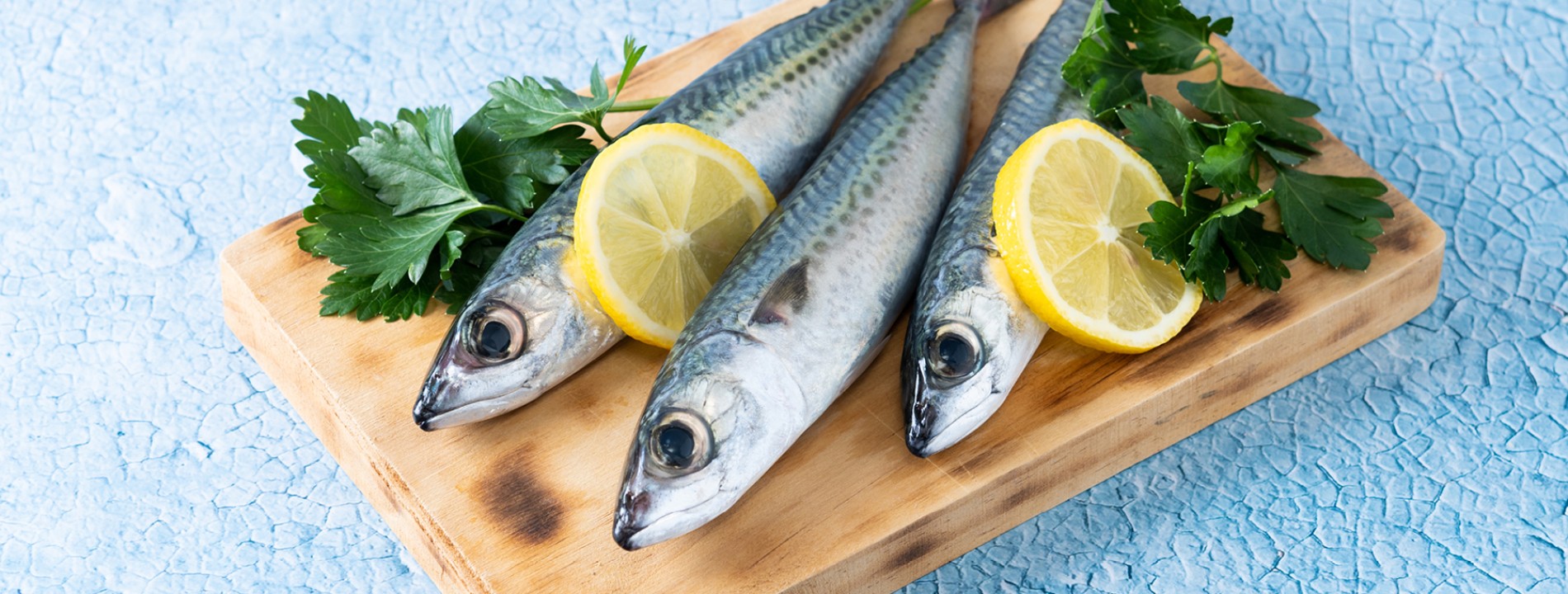
Food can reduce the negative effects of stress and the symptoms of anxiety, depression and other forms of mental illness, while also improving our cognitive abilities.
This effect is primarily achieved through a balanced diet based on sufficient intake of fresh, seasonal, locally produced vegetables and foods rich in the amino acid tryptophan and omega-3 fatty acids, foods with a low glycaemic index, and those that support a healthy gut flora.
Nutrition advisor at Terme Krka
Janja Strašek
1. Foods that improve mood
-
The essential amino acid tryptophan is responsible for improving mood, as it acts in the body as an important precursor of the hormone serotonin. Tryptophan is one of the basic building blocks of proteins, but since the body cannot produce it on its own, we must obtain it through our diet. The highest amounts of this amino acid can be found in poultry meat, milk, fish, eggs and beans.
-
Adequate intake of essential omega-3 fatty acids also plays an important role, as they help prevent rapid mood changes, improve memory and increase the ability to concentrate. Omega-3 fatty acids can be found in fatty fish (fish oil), leafy green vegetables, flax seeds and others.
2. Combining foods is also important
-
For a person’s well-being it is important to avoid large fluctuations in blood sugar levels, which can lead to a loss of energy. This can be prevented with a regular meal schedule and proper food combinations.
-
It is important to ensure adequate nutrient intake and proper nutrient density and food structure already at breakfast. Suitable breakfast meals that enrich us with energy and nutrients and have a very positive effect on our psychological well-being include, for example, probiotic yogurt with seeds, nuts, millet porridge and some seasonal fruit, an egg omelette with seasonal vegetables and whole-grain bread, cottage cheese spread with herbs on buckwheat bread with walnuts and similar options.
-
During the day, I also recommend meals that ensure the slow release of glucose. This allows our energy to remain more stable and last longer. For our body and brain this means a longer and more constant source of energy – for example complex carbohydrates found in quinoa, oatmeal, buckwheat and millet porridge, beans, soy, vegetables and so on.
3. Include more fish, leafy salads, nuts and seeds in your diet
-
For lunch or dinner, prepare fresh high-quality fish more often. Highly recommended are, for example, oven-baked sardines with stewed Swiss chard and quinoa in olive oil. Also regularly include leafy green vegetables in your meals, sprinkled with seeds – freshly ground flax seeds, chia seeds, hemp seeds and roughly chopped walnuts.
-
In recent years, there has also been increasing discussion about the connection between mental health and the gut microbiota, which is why I have enriched the menu and recipe with foods that support microbiota health.
We recommend

RECIPE: Vitamin-rich asparagus and vegetable soup
Sauté chopped onion in olive oil, then add celery, carrot and kohlrabi. Pour in water and cook. Towards the end, add the cleaned and chopped asparagus (use only the stalks at first and save the tips for the end). Season and add more water or broth if needed. Blend the soup and return it to the stove, add the asparagus tips and cook for a little longer. Finally add a little wine and stir in plain yogurt.

RECIPE: Baked sardines
Cleaned and washed sardines (you may remove the heads if desired) are dried with a paper towel, lightly salted and placed next to each other on a baking tray lined with baking paper. Place the tray in an oven preheated to 180 °C and bake for 12–15 minutes. In the final minutes increase the temperature by about 20 °C so the sardines get a nice crust. Serve immediately and drizzle with olive oil on the plate.
A menu that balances brain function and gut flora
Salads and vegetables of different colours are a valuable source of substances that positively affect the psyche, the brain and digestion. Leafy green vegetables in particular have a positive effect on coping with stressful situations, increase cognitive abilities and improve memory and concentration.
Breakfast
100 g sourdough spelt bread
50 g low-fat cottage cheese
20 g ground mixed seeds
10 g arugula
10 g olives
Morning snack
200 ml plain probiotic yogurt
150 g strawberries
20 g walnuts
Lunch
200 ml asparagus cream soup
120 g oven-baked sardines
150 g Swiss chard with pine nuts
100 g sweet potato
150 g green salad
50 g carrot
10 g olive oil
Dinner
200 g broccoli (baked with cheese and eggs)
50 g cheese (30% fat)
2 eggs
15 g mixed seeds

24. 10.–28. 12. 2026
Exercise and nutrition programs for healthy weight loss.
- 7 x full board
- Individual meal plans
- Free access to pools and saunas
- Professionally guided weight loss program with excellent results
Vital. Healthy. Proud of yourself.