


Total price:
Staying safe in the heat
How to get through a long, hot summer
Summer holds a special place in our calendar. It softens the edges of everyday life and quite literally draws us out of enclosed spaces. Nature is no longer merely a backdrop, but a place where life happens. The days are longer, we spend more time outdoors, flavours are more intense, scents are more noticeable, the touch of the sun on our skin is almost tangible, and life slows down a little. However, high temperatures and humidity can quickly become exhausting and cause fatigue. To avoid struggling with overheating and a lack of energy, it is useful to know a few simple ways to make summer as pleasant and healthy as possible.
What happens to the body in hot weather
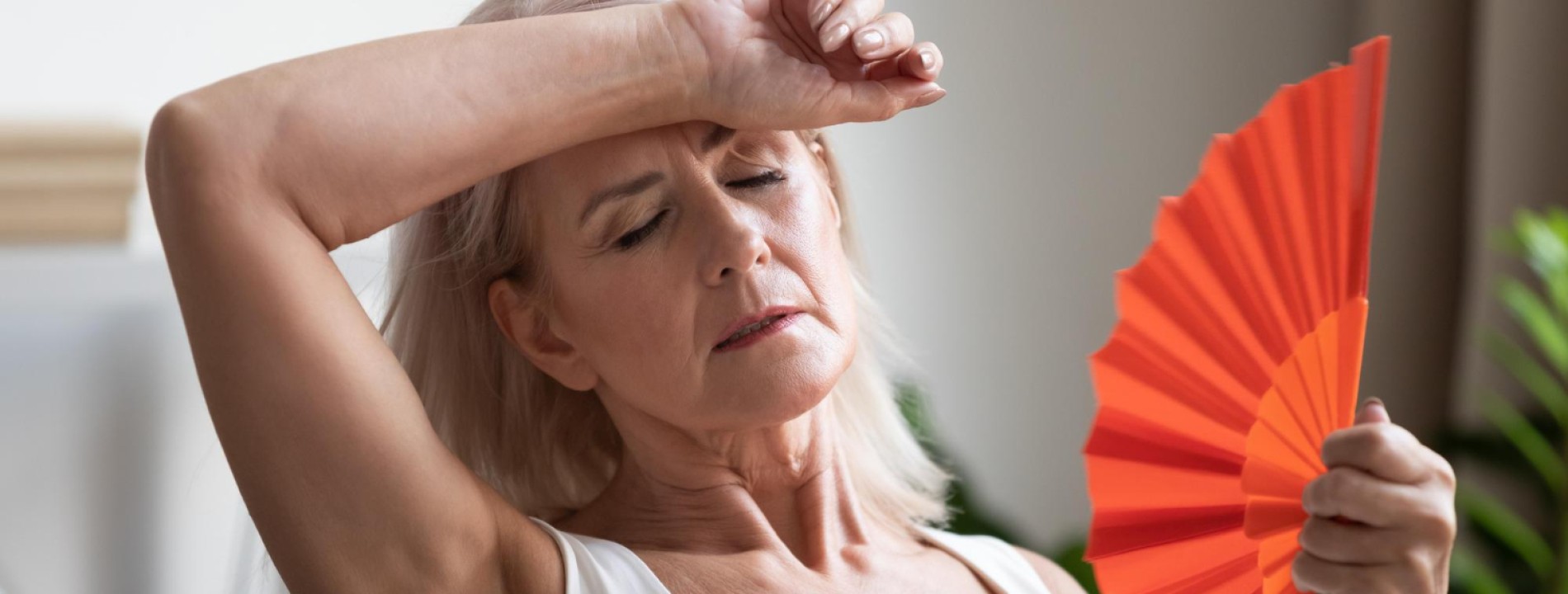
Our body constantly strives to maintain a stable internal temperature, which requires considerable physiological effort. In a hot environment, blood is redirected towards the surface of the body, the blood vessels in the skin dilate, and sweating increases – as sweat evaporates from the skin, it carries away body heat. Our face becomes redder, our skin feels warmer to the touch, the heart beats faster than usual, and blood pressure drops. Whenever we lose bodily fluids, we also lose electrolytes. The process of cooling the body therefore comes at a cost. The loss of fluids and electrolytes can lead to dehydration, which may be indicated by dark urine, a dry mouth, muscle cramps, headaches and drowsiness.
In hot weather, we lack energy, become more irritable, and experience reduced concentration and physical performance. A sudden change in body position can cause a brief drop in blood pressure, resulting in temporary dizziness or light-headedness. This increases the risk of falls and injuries, particularly among older people. If the body is not cooled in time and lost fluids and electrolytes are not replaced, signs of heatstroke may develop – an elevated body temperature, a rapid heartbeat, a weak pulse, faster breathing, cold and pale skin, cramps, vomiting, impaired consciousness and even death. Older people, those with chronic illnesses and children are particularly vulnerable, but heat can affect everyone – including healthy and active people.

Hydration – the body needs more fluids than we realise
Older people and children often have a reduced sensation of thirst, which means they need to make a conscious effort to drink regularly. A healthy adult needs two to three litres of fluid a day in hot weather. Alcoholic drinks and coffee should be avoided because they can contribute to dehydration.
When sweating heavily or taking part in sporting activities, electrolytes should be replaced with isotonic drinks, a greater intake of fresh fruit and vegetables, or salty snacks. However, this does not apply to people with certain chronic conditions, such as heart failure, for whom a doctor determines individual restrictions on fluid and electrolyte intake.

Nutrition – light food instead of heavy meals
In hot weather, we naturally tend to choose lighter food, and this is no coincidence. Heavy, fatty meals increase the amount of energy required for digestion and make us feel warmer. Smaller portions of seasonal fruit and vegetables, cold soups, fish, light pasta dishes and salads are much more pleasant.
Exercise – yes, but at the right time
During the summer, many people continue with intense exercise even during the hottest part of the day, which can increase the risk of the body overheating or even developing heatstroke. The human body adapts well to heat stress within 10 to 14 days of gradual exposure to such conditions. You should therefore begin with 50 to 60 per cent of your usual level of physical activity and gradually increase the intensity after a few days, depending on your overall well-being, the ambient temperature and humidity.
We recommend being active early in the morning or in the evening, preferably in the shade and in lightweight sportswear. Make sure you drink enough fluids and replace electrolytes. If dizziness, nausea, chills or confusion occur, stop the activity immediately, move to a cool place and call for help. After exercising, take time to rest and recharge.

Cooling the body
Listen to your body. Some people do tolerate heat without much difficulty, but when the sun is strongest in our region – between 10 a.m. and 4 p.m. – it is better to move to a cool room or into the shade and adjust your daily routine accordingly. The need to rest during hot weather is not a sign of laziness, but a normal physiological response, as the body uses a considerable amount of energy to cool itself.
Wear lightweight, breathable clothing. You can cool the body with cold compresses or a lukewarm shower. The air in your home or car should not be more than five or six degrees cooler than the outdoor temperature.
Swollen legs caused by venous insufficiency
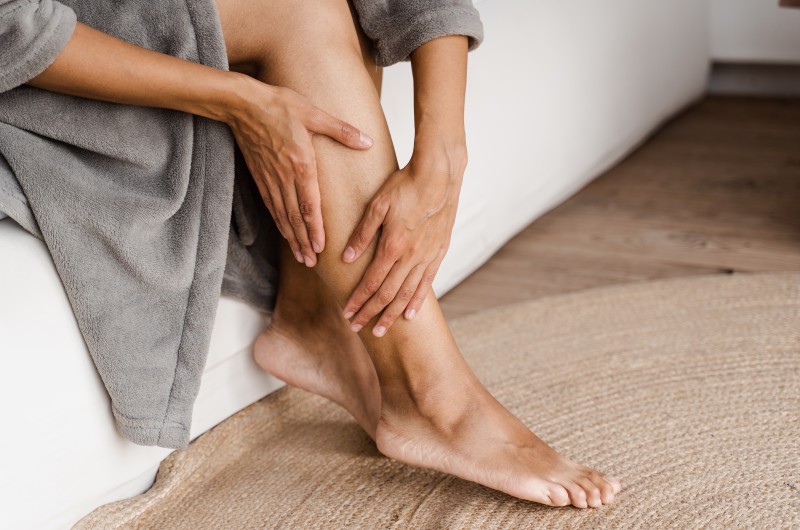
Many people notice that their legs feel heavy, tired and swollen during the summer. High temperatures affect the blood vessels and circulation, making it easier for bodily fluids to accumulate in the lower parts of the body.
You can help prevent this discomfort by avoiding pools with hot water, raising your legs above the level of your heart for 15 to 30 minutes while resting, showering your legs with cold water, remaining sufficiently active and avoiding adding extra salt to your food. Compression stockings or elastic bandages may also be used.
Sunbathing and sunscreen
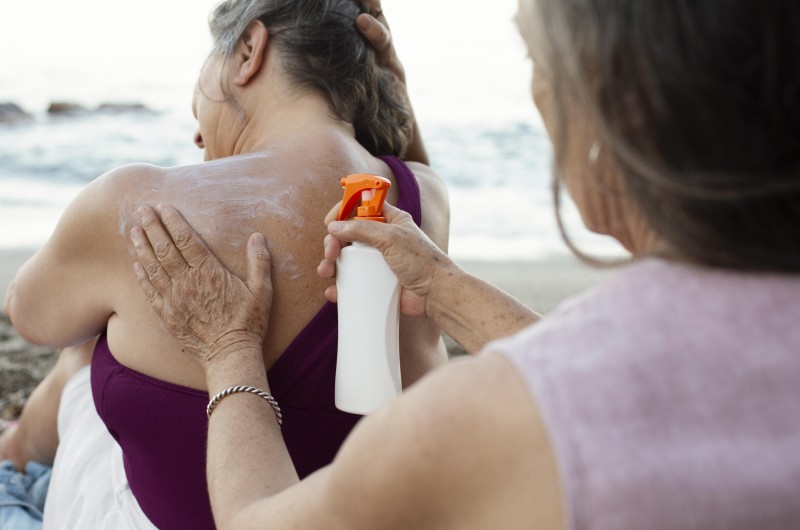
Do not forget to protect your skin. A tan is not a sign of health or beauty, but the result of the skin defending itself against harmful UV rays. Sunlight damages the DNA in skin cells, accelerates skin ageing and increases the risk of skin cancer.
The recommendation is therefore to avoid the sun when the UV index is at its highest. Wear suitable headwear, lightweight long-sleeved clothing and high-quality sunglasses, and protect your skin with sunscreen with an SPF of at least 30.
A summer digital detox
Smart devices fill almost every empty moment without us even noticing – waiting in a queue, travelling by bus and even having a conversation. Chronic exposure to smartphones and screens raises cortisol levels in the body, affecting our mood and contributing to anxiety. It also increases mental fatigue, reduces concentration and attention, affects sleep quality and may even influence thermoregulation.
This is precisely why a short digital detox can feel especially beneficial during the summer heat – for example, an evening without notifications, the first hour of the day without a screen, and walks and meals without a phone.
Let hot summer days invite you to slow down rather than leave you exhausted – to enjoy mornings without rushing, evenings outdoors and moments without screens.
We wish you a refreshing, peaceful and healthy summer.