


Total price:
Epidemic of modern times – a sedentary lifestyle
Our ancestors walked 16 km per day, how much do you?
Head of physiotherapy at Terme Šmarješke Toplice Roman Šiler

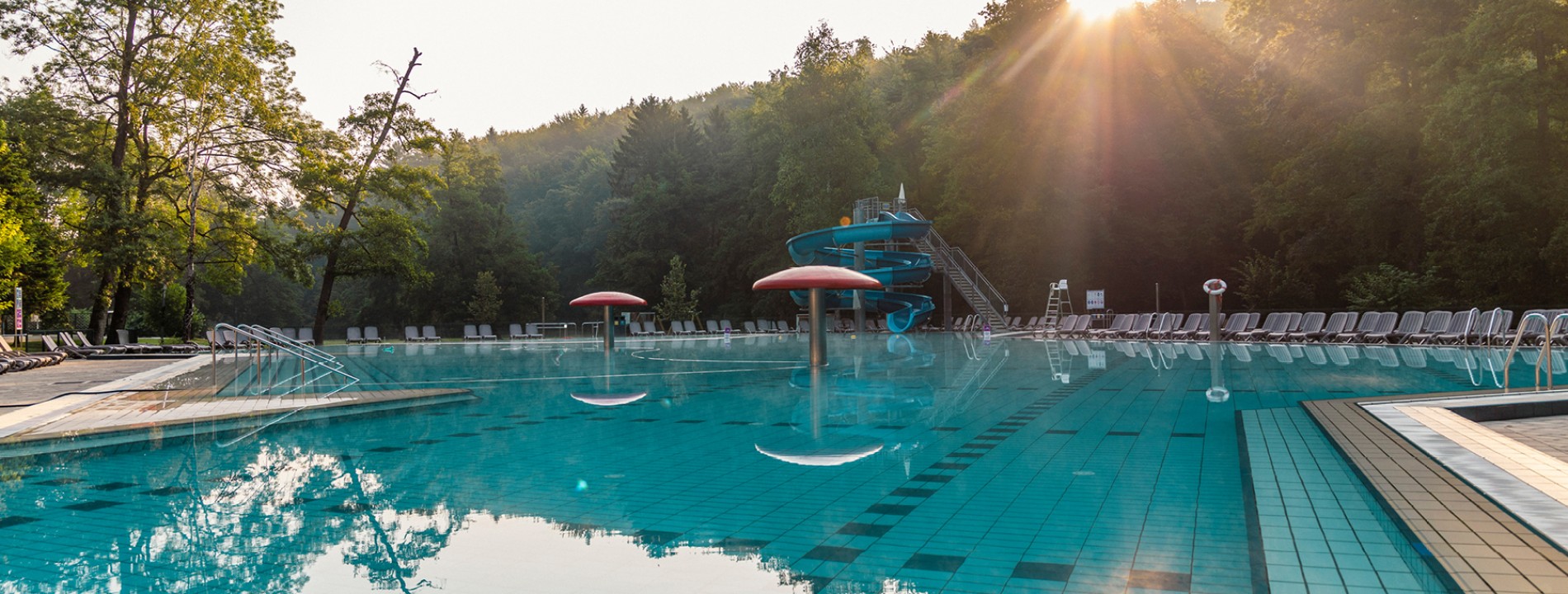
Swimming is an excellent form of recreation that is also suitable for those who have problems with excess weight or with the musculoskeletal system.

During muscle activity, myokines (muscle cytokines) are released, which promote anti-inflammatory processes in the body.
Exercise contributes to improving the immune system
Numerous recent studies have demonstrated the impact of exercise on improving the immune system and increasing the body's resistance. This applies to both aerobic exercise or endurance training and strength training, which increases muscle efficiency and muscle mass. During muscle activity, myokines (muscle cytokines) are released, which promote anti-inflammatory processes in the body. It is precisely by measuring myokines that the beneficial impact of movement on health is demonstrated.
Humans are made for movement, not for sitting
- The human organism has evolved and developed over millions of years in such a way that it resists gravity through the musculoskeletal system. Our ancestors walked about 16 kilometers per day! With the development of upright posture, humans developed a unique musculoskeletal system as well as the nervous, cardiovascular, and respiratory systems, and subordinated the functioning of the entire organism to their activities under the guidance of a unique mind.
- Today’s physical inactivity, or sedentary lifestyle, is gradually rising to the very top of the factors of overall mortality and chronic non-communicable diseases, which are responsible for about 70 percent of all deaths worldwide (in Slovenia, according to WHO data for 2020, even 88%). The most common reason is smoking, and second place is shared by unhealthy diet and physical inactivity—before alcohol!
Our ancestors walked 16 kilometers a day
Today, however, sedentary lifestyle, that is, a sitting way of life, together with unhealthy diet, ranks second among the causes of chronic diseases and premature mortality—even before alcohol.
A sedentary lifestyle increases the risk of numerous diseases
Physical inactivity greatly increases the risk of:
- cardiovascular diseases and other chronic diseases,
- including diabetes,
- cancer (colon and breast),
- obesity,
- hypertension,
- bone and joint diseases (osteoporosis and osteoarthritis),
- depression.
With regular exercise we maintain muscles, which protect bones, joints, internal organs, keep us warm and rejuvenate us
- Skeletal muscles produce, as mentioned, a number of proteins called myokines that reduce inflammation and have an immune role. Therefore, we can unequivocally say that maintaining muscle mass protects us against infections and various disease conditions closely related to chronic inflammation and keeps us more youthful, as diseases accelerate the aging of the organism.
- Muscles also have many other important functions, such as regulating body temperature and hydration, and controlling blood sugar; in addition, they are a significant consumer of calories, contribute to a better appearance and physique, make us more flexible, faster and stronger, and give us more life energy.
After the age of 50, muscle mass begins to decline
In an adult well-trained male, muscle mass accounts for about 40 percent of total body mass, and in women about 27 percent. Already in middle age, somewhere after the age of 50, muscle mass and strength begin to decline. This trend becomes even more pronounced after the age of 70.

In our facilities, the range of programs for a healthier lifestyle and strengthening the immune system is extensive, and we also offer our guests a wide variety of outdoor sports and relaxation activities.

During a stay at Hotel Šport in Otočec, for example, guests can exercise on numerous courts, in nature and indoors, as well as in their hotel room. Each room is equipped with one of the sports accessories – a TRX band, a ball, a punching bag, a bar, or stall bars.
How and how long to exercise to maintain muscles
- To stay healthy, adults aged 65 or older should remain active throughout the day and sit for no more than 4 hours per day. In addition, experts recommend at least 150 minutes of moderate-intensity physical activity or 75 minutes of vigorous activity per week.
- For most people, it is easiest to incorporate exercise into their daily routine. For example, we recommend doing errands by bike or on foot instead of by car, choosing stairs instead of the elevator, and replacing afternoon TV watching with a refreshing walk...
- Why not meet friends for a hike instead of coffee? This can also be more fun, as movement affects hormones that improve mood.
Let’s stay vital
With an active lifestyle, we slow cellular aging, strengthen the immune system, and remain vital and youthful.
What is moderate and what is vigorous activity
- For recreational activity to have a sufficiently positive impact on your health, you need to move fast enough so that your heart rate increases, you breathe faster, and you warm up. This level of effort is called moderate intensity. At moderate intensity, you should still be able to talk during the activity.
- Activities that require even more effort are called vigorous activities. You can recognize them because you breathe harder and faster and your heart rate increases significantly. If you exercise at this level, you will not be able to say more than a few words without pausing to breathe.
- For healthy individuals, vigorous activity is even more beneficial than moderate activity, and the ideal exercise is interval training, meaning alternating between moderate and vigorous activity.
- Exercise should always be adapted to your health condition, so consult your doctor beforehand, who will warn you about any specific conditions or limitations.
SOURCES:
- Pišot, R., Kleva, M., Teraž, K., Paravlić, A., Marušič, U., Pišot, S., & Šimunič, B. (2020). Stay active. Annales Kinesiologiae, 11(2), 145-148.
- Pišot, R., Kleva, M., Teraž, K., Paravlić, A., Marušič, U., Pišot, S., & Šimunič, B. (2020). Ostanite doma, (p)ostanite aktivni!: nasveti za vadbo na domu z naborom navodil in vaj za bolnike z nekaterimi kroničnimi boleznimi (Spletna izd.). Znanstveno-raziskovalno središče, Inštitut za kineziološke raziskave, Annales ZRS. https://www.zrs-kp.si/index.php/research-2/zalozba/monografijev
- Strojnik, V. (2006). Projekt Vadba za starejše osebe z zmanjšano mobilnostjo. Ljubljana: Fakulteta za šport.
- https://www.ncbi.nlm.nih.gov/books/NBK305058/
- Eckstrom, E., Neukam, S., Kalin, L., & Wright, J. (2020). Physical activity and healthy aging. Clinics in geriatric medicine, 36(4), 671-683.
Related content
-
Faces of Terme Krka – Simona Vidic
When guests complain that they didn’t have time to turn on the TV, I know my purpose has been fulfilled.
-

Longevity is not only about living a long life, but about living one that is high in quality, independence, and fulfilment.
How to live so that we can enjoy an active and independent old age?
-
A guest’s experience at Terme Šmarješke Toplice
After a demanding period – pure zen beneath the treetops, by the thermal pools