


Ukupna cijena:
Janja Strašek, nutrition consultant
Superfoods for seniors or the best diet for longevity and vitality
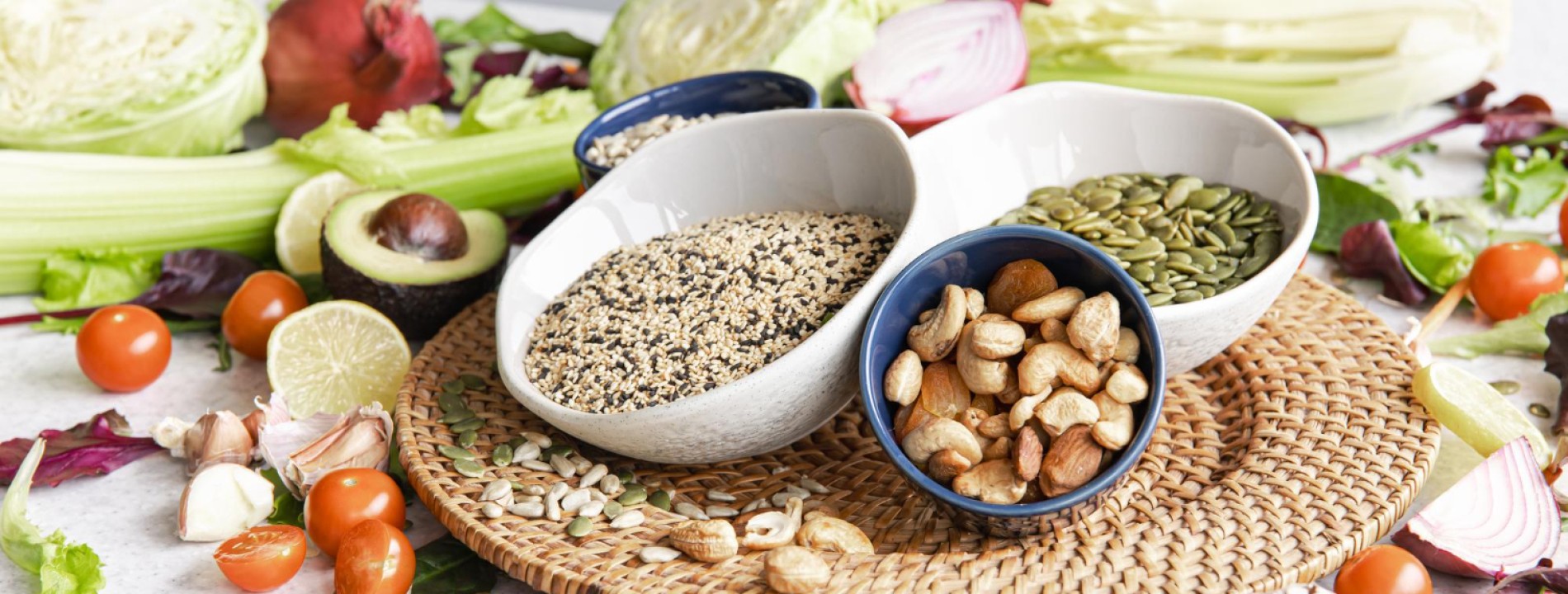
In the search for recipes for longevity and vitality, nutrition plays a key role—especially in later stages of life.
Older adults have specific nutritional needs that must be considered if we want to maintain vitality, health, and resistance to disease.
Superfoods that contain a rich combination of nutrients such as proteins, omega-3 fatty acids, antioxidants, and other micronutrients can significantly contribute to better health in seniors.
In this article, we highlight key foods worth including in the diet to improve quality of life in later years.
B for Protein
Protein is a key nutrient for maintaining muscle mass, which is essential for movement and proper immune system function. Muscle mass also enables faster recovery after illness and injury. It is important to distribute protein intake evenly throughout the day. For optimal muscle protein synthesis, 20–30 grams per meal are recommended. Among the essential amino acids that should be included in every meal is leucine, found in milk, eggs, poultry, oats, fish, peanuts, and almonds.
Sources of Protein
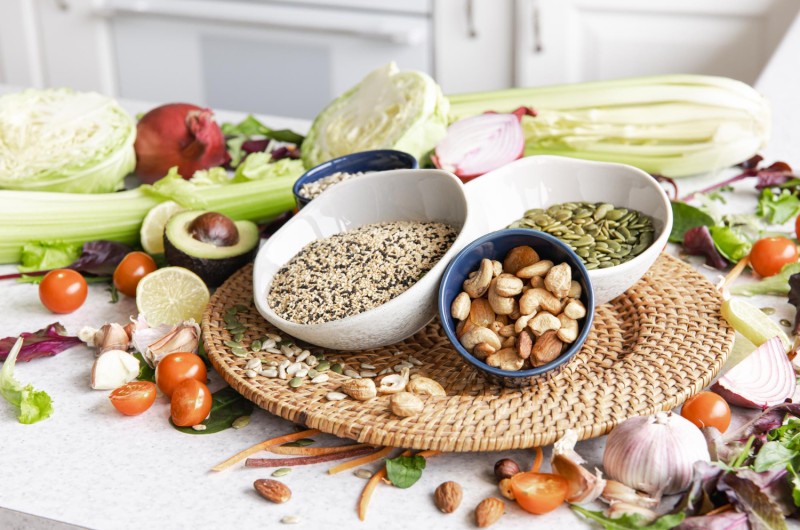
Protein is found in both animal and plant-based foods. Animal sources include meat, eggs, milk, cottage cheese, cheese, and fish, while plant sources include legumes, seeds, mushrooms, nuts, and quinoa. Consuming both types is key, as plant-based proteins have been shown to be particularly important for longevity.
Omega-3 Fatty Acids and Inflammation Prevention
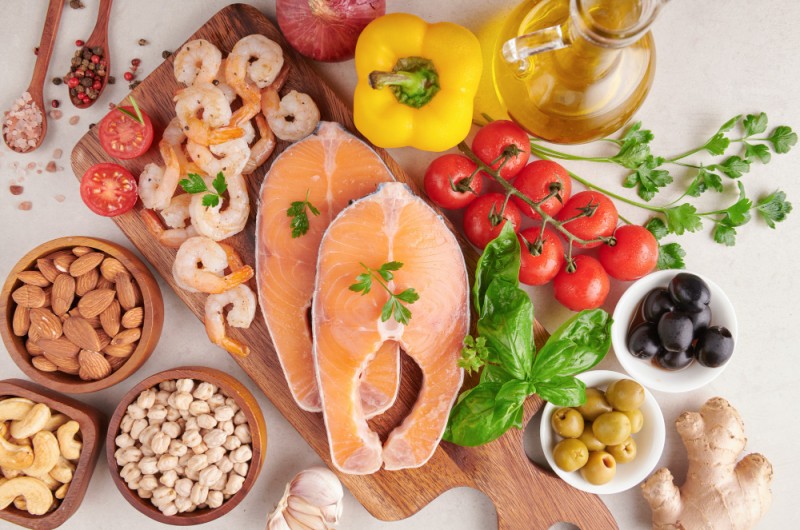
Omega-3 fatty acids play a crucial role in reducing inflammation in the body and improving cognitive function and overall well-being. They are found in fatty fish such as salmon, sardines, and mackerel, as well as in flaxseed and hemp oil. It is recommended to consume fish at least twice a week.
Antioxidants – for vitality
To protect the body from premature aging, it is important to consume antioxidants, which are found in fruits and vegetables. Polyphenols in red grapes, onions, citrus fruits, and berries protect against cardiovascular diseases and certain types of cancer. For maximum benefit, it is recommended to eat a variety of fruits and vegetables in different colors.
Microbiota and gut health
A healthy gut flora – the microbiota – is the foundation for a strong immune system, good digestion, and overall well-being. It protects us from microorganisms that could harm our body and cause disease and also plays an important role in regulating body weight. The composition of the microbiota is influenced by, among other factors, our dietary habits. Probiotics and fermented foods are very important for a healthy microbiota. Probiotic foods such as yogurt, kefir, and sauerkraut support gut function and improve metabolism.
Sugar in the diet and its limitation
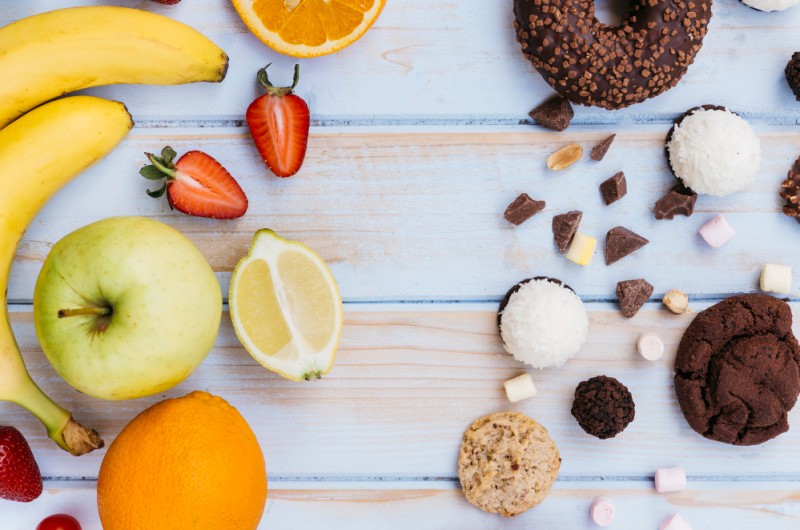
To prevent diseases such as diabetes and obesity, limiting the intake of simple sugars is crucial. Sugar also negatively affects teeth and creates a favorable environment for inflammation. Therefore, it is recommended to drink mainly water and unsweetened beverages.
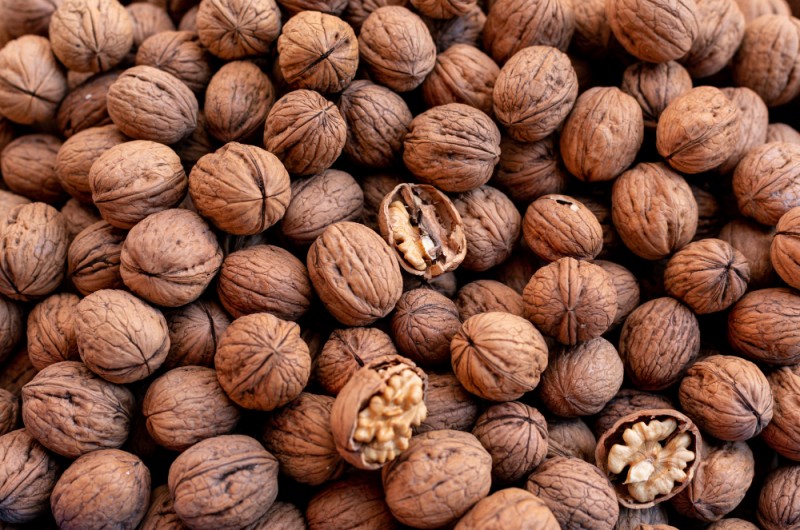
Walnuts
Walnuts are rich in omega-3 fatty acids, antioxidants, and essential vitamins and minerals, including vitamin E, copper, and magnesium.
These nutrients support cardiovascular health, so it is recommended to consume at least 30 grams of walnuts per day.
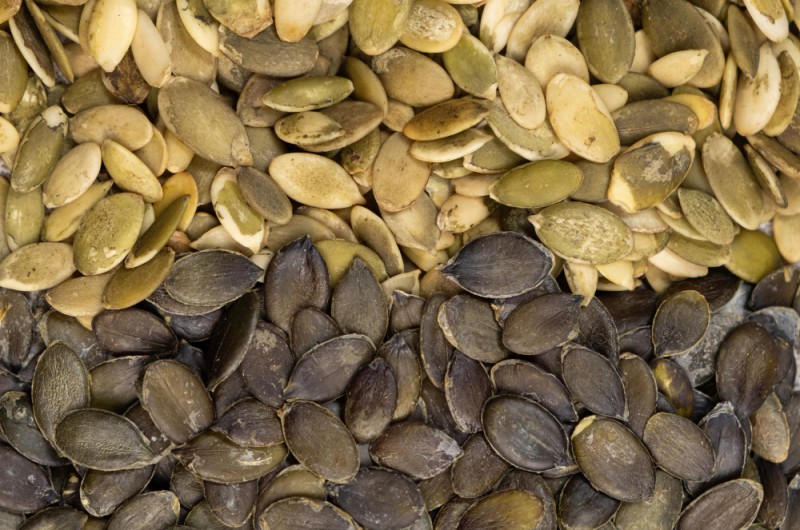
Pumpkin and Pumpkin Seeds
Pumpkin is rich in vitamin C, beta-carotene, and other nutrients that support the immune system and reduce the risk of inflammation.
Pumpkin seeds and pumpkin seed oil are also beneficial, as they contain healthy fats and minerals.
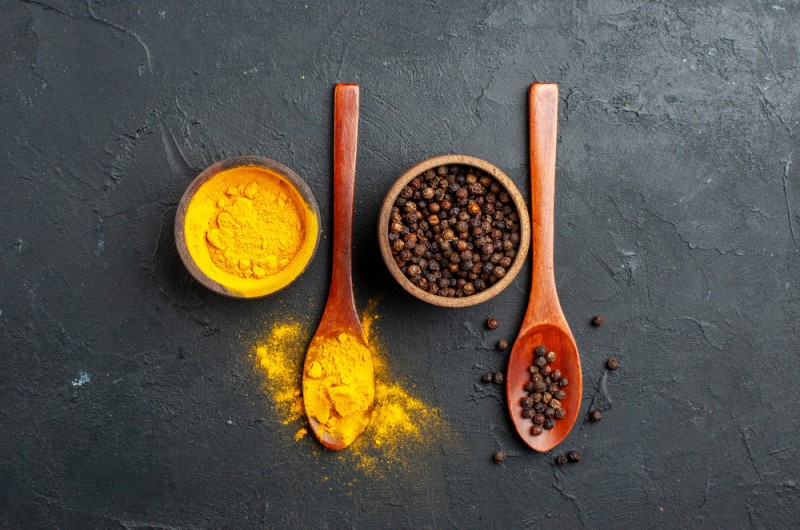
Buckwheat and Turmeric
Buckwheat is an excellent source of protein and fiber, which help maintain stable blood sugar levels. Turmeric, due to its anti-inflammatory properties, helps with arthritis and supports healthy digestion.
For better absorption of curcumin, it is recommended to consume turmeric with fats and black pepper.
Takeaway
As we age, our nutritional needs change, but we can meet them by choosing the right foods. Superfoods such as walnuts, pumpkin, buckwheat, and turmeric, which provide proteins, omega-3 fatty acids, antioxidants, vitamins, and minerals, improve health, help seniors maintain vitality, and may extend lifespan. By thoughtfully including these foods in the diet, we already do a lot for our well-being and active aging.

How to Change Eating Habits for a Healthy Lifestyle
Janja Strašek, M.Sc. in Food Technology, Nutrition Consultant at Terme Šmarješke Toplice
Sličan sadržaj
-

Mindfulness u zagrljaju prirode
Kako umiriti svoj um i odmoriti se od beskorisnih unutarnjih borbi
-

Rehabilitacija nakon hirurškog lečenja artroze kuka
Oporavak koji vraća snagu i samopouzdanje
-
Da bi leto bilo još opuštenije i veselije, dobro je malo prilagoditi ishranu
Hrana koja pospešuje mršavljenje i osvežava